GigaXtend GAP Node

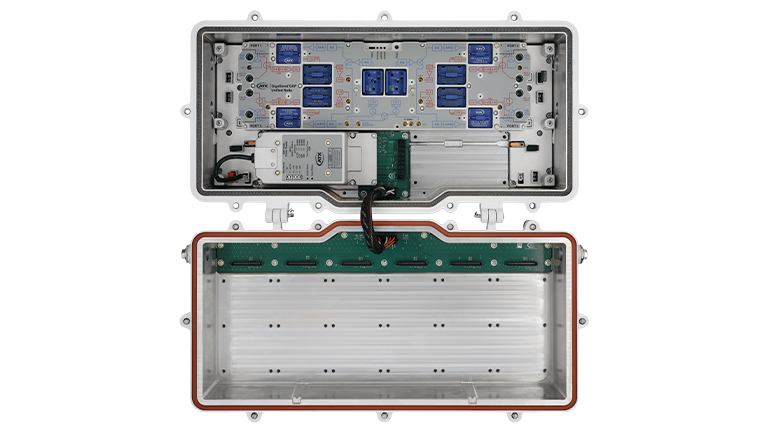
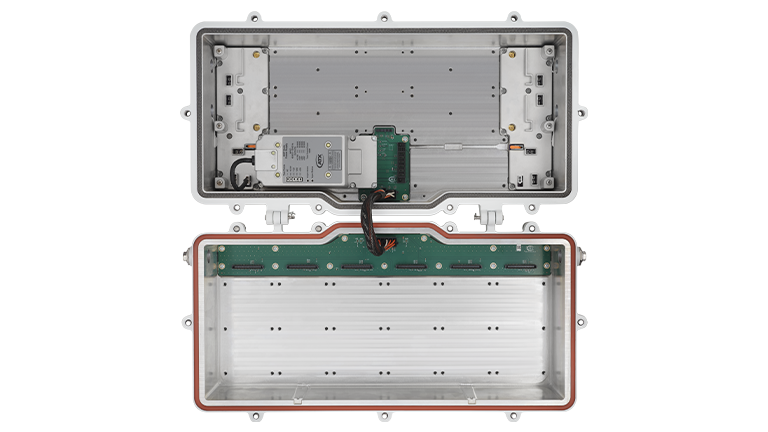
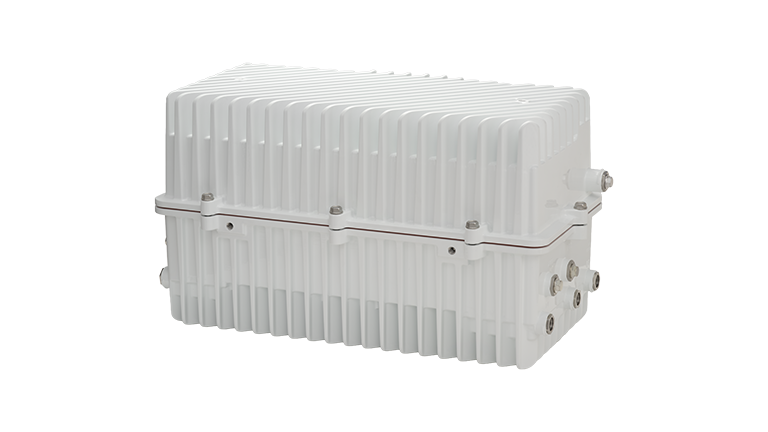
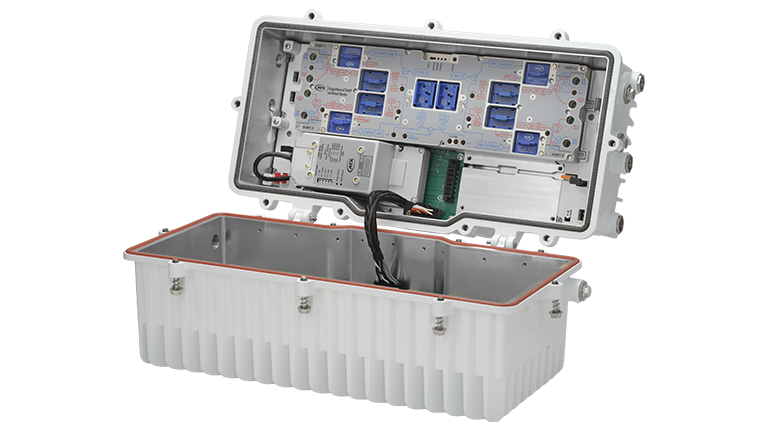
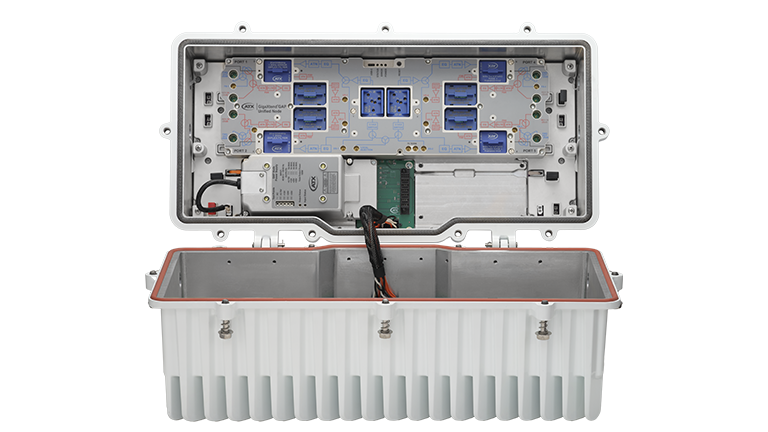
The ATX GigaXtend® GAP Node is built around SCTE 273, the open access platform standard ATX helped author. Rather than adapting to a standard someone else defined, ATX contributed its own enclosure design to the working group that created SCTE 273, giving operators a housing built on the same design the standard was modeled after. The result is a single outdoor enclosure that holds cable, optical, wireless and edge computing equipment, so you install the housing once and simply change what’s inside as your network evolves.

The GigaXtend GAP Node builds on RF technology developed by ATX and already deployed and performing in live networks, taking the risk out of adopting a new platform.
Title and Logo

Adaptive to meet the needs of your network

ATX GigaXtend GAP Node

Modules

GigaXtend GAP Unified Node Module

Built for DOCSIS® 4.0, the GigaXtend GAP Unified RF Module pairs with Unified RPDs to deliver full 1.8GHz downstream capacity alongside a selectable upstream — so a single module carries the network from today's high-split to tomorrow's FDX. The upgrade path becomes a configuration change rather than a capital event, with the RPD taking direct control of alignment and level setting across the module.

  1. One module, every split — selectable 204, 396, 492 and 684MHz upstream, plus FDX operation across 258–834 MHz
  2. Unified Interface C compliant — electronic attenuation on every port for precise downstream and upstream level setting to the RPD
  3. RPD-managed intelligence — CAN bus messaging drives configuration, auto-alignment, attenuation and equalization remotely, across both DOCSIS 3.1 and DOCSIS 4.0 Unified RPDs
  4. Full DOCSIS 4.0 performance — dedicated feedback paths for digital predistortion and noise cancellation
  5. Built on SCTE 273 — field replaceable lid and base modules

GigaXtend GAP 1.8GHz Node Module

The proven path to 1.8GHz today. Supporting the DOCSIS 4.0 standard for Extended Spectrum DOCSIS, the GigaXtend GAP 1.8GHz FDD RF Module delivers full extended-spectrum downstream capacity and brings ATX's maintenance and control intelligence to the GAP platform — reducing the technician's learning curve and significantly streamlining installation and maintenance.

  1. Full 1.8GHz forward bandwidth — FDD upstream supporting mid-split through ultra-high-split deployments
  2. Proven RF performance — carried forward from the widely deployed GigaXtend GS7 Node platform
  3. Flexible segmentation — 2 downstream and 4 upstream, with all-electronic pad and EQ control and automatic alignment
  4. Broad ecosystem support — DOCSIS 3.1 and DOCSIS 4.0 ESD, third-party DAA modules, and local channel injection
  5. Align in minutes, not hours — configure and tune remotely via the RPD, or from any iOS or Android device over Bluetooth with the intuitive ATX GigaXtend Orchestrator app
White Blocks with Orange Icons

Explore the benefits today

One Housing,
Any Architecture

The GigaXtend GAP Node's standardized enclosure supports cable, optical, wireless and edge computing equipment in the same outdoor housing. As your network shifts from DOCSIS to PON to whatever comes next, you upgrade what's inside the node instead of replacing the node itself.

Cable and
Fiber Together

Deploy PON alongside DOCSIS in a single enclosure, adding fiber capacity exactly where and when demand calls for it. No second piece of outdoor equipment, no separate truck roll to make room for it.

Upgrades in Minutes,
Not Truck Rolls

Capacity increases happen in the field and take minutes, fast enough to fit inside a routine maintenance visit. Your technicians spend less time on repeat visits and more time moving the network forward.

Remote Tuning,
Not Manual Adjustment

The node aligns and balances its own signal levels electronically, eliminating the plug-in parts and hand-tuning traditional nodes require. Configuration can be completed locally by a technician or remotely through the node's connection to the RPD module, cutting down on unnecessary site visits.

Built to Stay
in Service

Amplifiers, power supplies and internal connections can each be replaced on the pole or in the cabinet. The node stays in service as the technology around it changes, protecting your investment in the outside plant.

Freedom to
Choose Suppliers

Every interface follows the open SCTE 273 standard, so you can mix equipment from multiple vendors instead of locking into one. Your network architecture stays yours to design.

Features

White Blocks with Green Icons

The ATX approach to advanced HFC

The ATX approach to advanced HFC

Deploy it whole or one piece at a time. Start with what matters most right now and add the rest when you're ready. Each solution integrates with the rest so your network grows the way you need it to — not the way a vendor wants to sell it to you.

Advanced HFC Workflow Diagram

Related Insights

ATX Networks Launches GigaXtend GAP Node, the Access Platform Built from the Standard it Helped Create

New SCTE 273-based node lets operators deploy cable and fiber from a single outdoor enclosure with capacity upgrades that take minutes instead of truck rolls

Read Press Release

See it Live @ SCTE TechExpo26

The best conversations happen in front of the tech. Dive into solutions that break down silos across HFC, media distribution and energy storage. Request time with the ATX team (Booth: A159) to demo what resilience and experience can look like for your network.

Learn More

Product Overview: GigaXtend GS7 1.8GHz Node

Discover how ATX’s GigaXtend GS7 1.8 GHz Node empowers cable operators to expand capacity and performance while maximizing existing HFC infrastructure.

View Post

The 2050 Project Survey Results & Analysis – 2025 Edition

Listen to the replay to gain insight on findings from this year’s 2050 Project Survey Report, featuring ATX’s outside plant experts

Watch Webinar

Why Next-Gen Nodes & Amps are the ‘Intelligent’ Option for All HFC Networks

Learn how advances in automation and intelligence can help MSOs improve operational efficiency and increase network reliability

Watch Webinar

Finding Your Next-Gen Node Platform

Get your checklist for uncovering if your current HFC nodes are built for the future

Watch Webinar Replay

Introducing GigaXtend Orchestrator: The Abracadabra App

Discovery why the GigaXtend Orchestrator configuration app for 1.8GHz-capable amplifiers and nodes is on everybody’s wish list for optimizing technician time.

Read Blog

Seven Reasons Why all Future Outside Plant Purchases Should be 1.8GHz-Capable

Even if you have no current plans to move to DOCSIS 4.0, explore the seven benefits from going the 1.8GHz-capable route for all future outside plant purchases.

Download eBook

Ultimate Guidebook for Finding Your Next-Gen Node Platform

A checklist of critical questions to determine if your existing nodes are capable of supporting DOCSIS 4.0 and spectrum increases to 1.8GHz.

Download eBook
Request Sales Call Back